






What Businesses Should Know Before Investing in a High-Volume Printer 1
Printing remains a critical backbone of everyday business operations, from invoices and contracts to marketing materials and internal documentation. While digital workflows continue to expand, many organizations are shifting toward in-house printing to gain tighter control over cost, speed, and quality. As document volumes increase and expectations for fast turnaround rise, traditional office printers often struggle to keep up. Businesses that rely on frequent printing are discovering that upgrading their printing infrastructure is no longer optional; it’s strategic.
Modern operations demand efficiency, scalability, and reliability. Whether producing internal documents, customer-facing materials, or high-quality visuals, the right printing setup directly influences productivity and professionalism. This is where business inkjet printers come into play.
Investing in a high-volume printer can be a game-changer for businesses, but only when approached thoughtfully. Beyond purchase price, organizations must consider performance, running costs, workflow integration, and long-term scalability to ensure their investment delivers real operational value.
Business Printing Needs & Market Shift
Business printing demands have evolved significantly. Organizations now generate higher document volumes than ever, driven by compliance requirements, marketing personalization, and internal reporting. Speed and efficiency are no longer conveniences; they’re operational necessities. Delays in document production can slow workflows, affect client communication, and increase operational friction.
To stay competitive, many companies are reducing reliance on outsourced printing. Outsourcing may seem economical initially, but recurring turnaround delays and hidden logistics costs often accumulate. In contrast, in-house high-volume printing enables immediate production, greater flexibility, and better control over confidentiality.
Color printing is another growing priority. Businesses increasingly rely on visually rich documents, presentations, and branded materials. High-volume printers capable of consistent color output support professional communication and brand alignment.
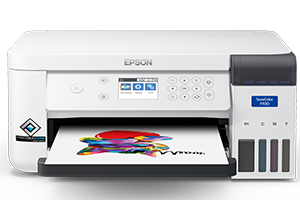
Applications vary widely: internal documentation, training materials, event printing, promotional collateral, and specialized output such as photo paper or marketing visuals. Some businesses even expand into niche production like printers for sublimation, where personalized products or branded merchandise become revenue streams.
The market shift is clear: organizations want scalable printing ecosystems that support growth while maintaining cost efficiency and operational speed.
Evolution of Modern Printing Technology
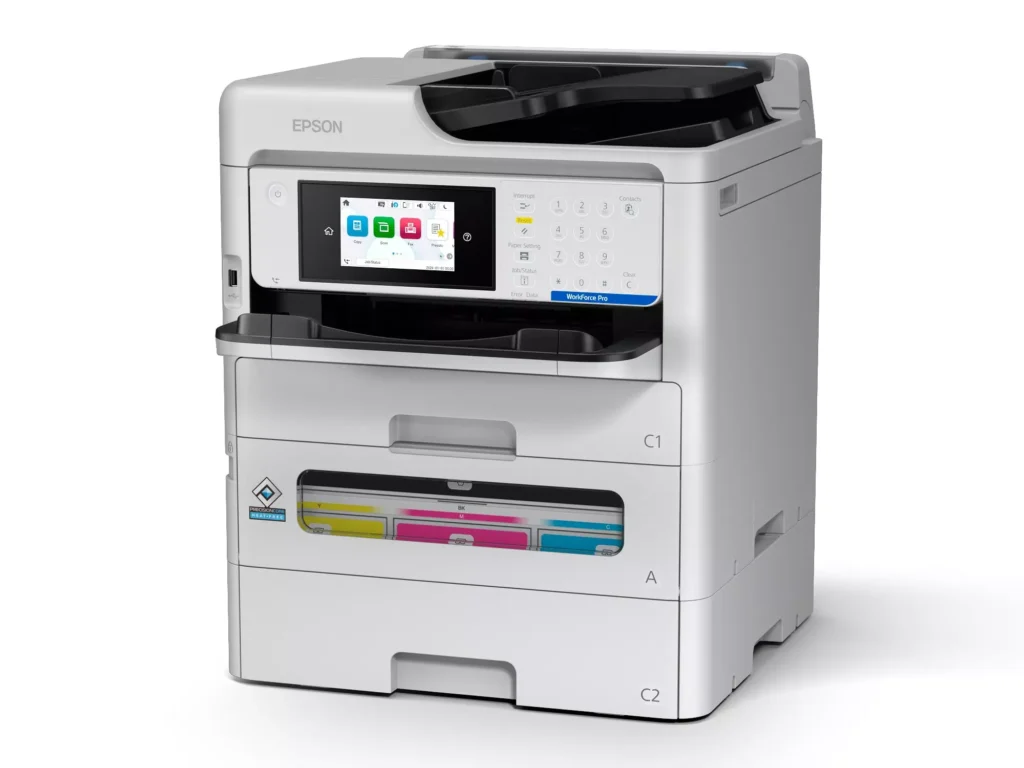
Printing technology has undergone a rapid transformation. Modern engines are engineered for speed, durability, and energy efficiency, far removed from earlier-generation office printers. Advances in ink delivery systems, precision control, and media handling have elevated printing into a high-performance operational tool.
Today’s high-volume platforms emphasize:
- Faster page throughput
- Consistent image quality
- Reduced energy consumption
- Expanded media compatibility
Inkjet innovation has played a major role. Fixed printhead architectures allow continuous printing without mechanical delays, supporting heavy workloads with fewer interruptions. Businesses benefit from lower heat output, quieter operation, and minimized wear components.
Industry leaders such as Epson have helped push business printing toward higher efficiency standards. Their enterprise-grade solutions demonstrate how modern inkjet systems balance speed with operational economy.
Media flexibility is another key advancement. From inkjet printing paper for everyday documents to specialty stocks used in promotional materials, modern printers support diverse business needs without frequent configuration changes. This versatility allows organizations to centralize printing tasks rather than rely on multiple devices.
The result is a printing environment that aligns more closely with business workflow demands — faster, smarter, and more energy conscious.
High-Volume Inkjet Technology Explained
High-volume inkjet technology is designed specifically for organizations that require consistent output at scale. Unlike traditional low-duty-cycle devices, these systems prioritize throughput, uptime, and operational efficiency.
Speed and throughput are primary advantages. Fixed printheads enable continuous printing, eliminating the repetitive carriage motion found in smaller printers. Businesses benefit from faster job completion and reduced bottlenecks.
Energy efficiency is another major strength. Inkjet systems operate at lower temperatures compared to laser technologies, resulting in reduced electricity consumption. Over time, this contributes to measurable cost savings and sustainability benefits.
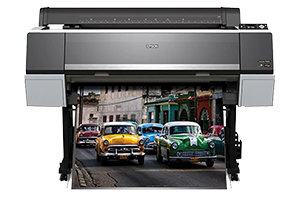
Media flexibility allows organizations to print on a wide variety of materials — from standard office stock to specialty finishes. Businesses producing marketing materials or creative outputs can also integrate large-format color printer capabilities when appropriate.
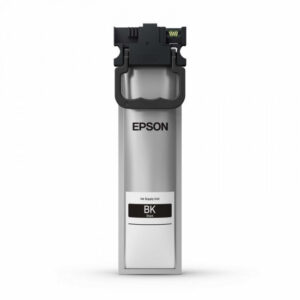
Maintenance efficiency further enhances uptime. Many high-volume printers feature modular consumables, such as a printer maintenance box, designed for quick replacement without technical intervention. This reduces service interruptions and keeps workflows moving.
Operationally, these advantages translate into:
- Shorter production cycles
- Fewer workflow delays
- Lower running costs
- Greater scalability
For businesses exploring diversified printing, including promotional items via sublimation printer workflows, high-volume inkjet platforms offer the reliability needed to support expansion without sacrificing efficiency.
Cost vs Performance Considerations
A high-volume printer investment should be evaluated through the lens of total cost of ownership, not just initial purchase price. Running costs ink consumption, maintenance intervals, and energy usage, significantly impact long-term value.
High-efficiency ink systems reduce cost per page, making large print runs economically sustainable. Maintenance-friendly designs minimize downtime and service expenses, while energy savings accumulate across years of operation.
Businesses that align printer capacity with actual workload often experience strong ROI through:
- Reduced outsourcing expenses
- Faster internal turnaround
- Lower per-document production costs
It’s essential to shift thinking from “cheapest printer” to “most cost-effective workflow tool.” Devices designed for enterprise output, including Epson business printers and platforms, illustrate how performance-driven engineering supports long-term financial efficiency.
When performance and running economics are balanced correctly, high-volume printers become revenue enablers rather than operational burdens.
Key Features to Look for in a High-Volume Printer
Selecting the right printer requires evaluating features that directly impact operational performance:
Print resolution & quality
Consistent output ensures professional documentation and customer-facing materials maintain brand standards.
Paper handling & capacity
High-capacity trays reduce interruptions during large print jobs.
Connectivity & integration
Modern printers should integrate seamlessly with office networks, cloud workflows, and document management systems.
Security & management
User authentication, usage tracking, and centralized controls protect sensitive information and support cost monitoring.
Media compatibility is equally important, especially for businesses printing across varied substrates, including marketing materials or specialty stocks. Compatibility with inkjet printing paper and creative media ensures operational flexibility.
Evaluating these features helps businesses match printer capabilities to real-world demands.
Productivity & Workflow Benefits
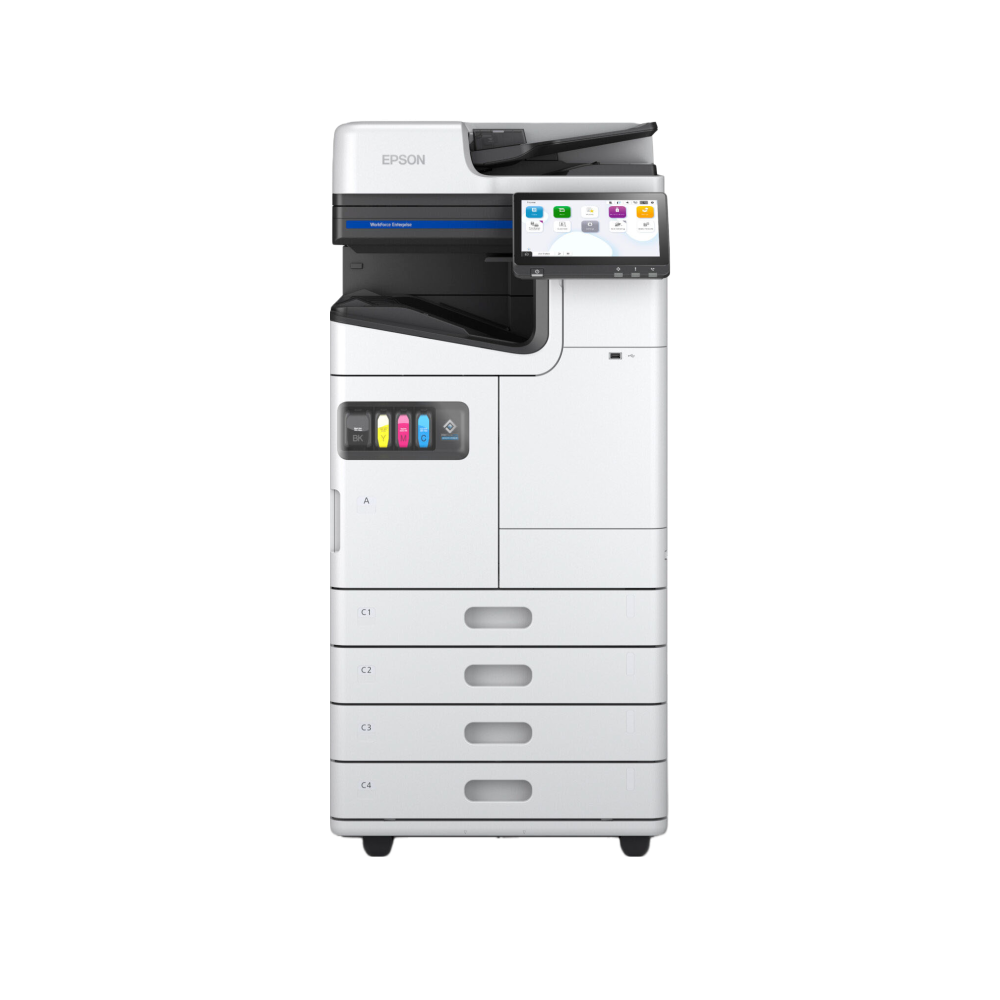
High-volume printers directly influence workflow efficiency. Print-on-demand capability eliminates production queues and reduces dependency on external vendors. Teams gain immediate access to materials, improving responsiveness.
Operational benefits include:
- Faster turnaround for urgent documents
- Reduced inventory storage for printed materials
- Improved collaboration across departments
Businesses producing visual materials from presentations to branded collateral benefit from consistent access to photo paper output or specialized formats. Integration with workflow software further streamlines document handling, archiving, and distribution.
Ultimately, high-volume printing becomes a productivity multiplier supporting agility, faster decision-making, and smoother day-to-day operations.
Selection Criteria for Buyers
A structured buying approach prevents costly mismatches. Decision-makers should evaluate:
- Print speed – Does the device support peak workload periods?
- Reliability – Can it sustain continuous operation?
- Media compatibility – Does it align with current and future print needs?
- Vendor support – Is technical assistance readily available?
- Scalability – Can the system grow with business demand?
Organizations exploring creative or product-based printing may also assess compatibility with printers for sublimation or expansion into specialty workflows.
Viewing the printer as part of a larger operational ecosystem — rather than a standalone device ensures better alignment with long-term business goals.
Vendor Support & After-Sales Importance
Printer performance depends heavily on supplier reliability. Strong vendor support ensures minimal disruption and sustained productivity.
Key supplier considerations include:
- Preventive maintenance services
- Consumables availability
- Technical troubleshooting
- Upgrade guidance
Access to a dependable printer supplier dubai becomes particularly important for organizations operating across regional markets. Professional suppliers provide training, installation assistance, and long-term service partnerships all critical to protecting investment value.
A strong supplier relationship transforms the printer from equipment into a managed business asset.
Practical Investment Advice
Successful printer investments start with a realistic workload assessment. Businesses should analyze:
- Monthly print volumes
- Peak demand periods
- Media requirements
- Growth projections
Budget planning should account for running costs, maintenance, and expansion capability, not just purchase price. Selecting a printer with scalable capacity prevents premature upgrades and protects ROI.
Organizations exploring diversified output — including promotional printing or specialty materials — should prioritize flexibility and future readiness.
Informed purchasing decisions lead to smoother integration, predictable operating costs, and sustained productivity gains.
Frequently Asked Questions (FAQs)
1. How do I know if my business actually needs a high-volume printer?
A business should consider a high-volume printer when print demand is frequent, time-sensitive, or costly to outsource. Signs include recurring bulk printing, tight turnaround requirements, or workflow delays caused by shared office printers. High-volume systems are designed to sustain continuous workloads while reducing operational interruptions and long-term printing expenses.
2. Are high-volume inkjet printers more cost-effective than traditional office printers?
Yes, when matched correctly to the workload. High-volume inkjet systems are engineered for lower cost per page, energy efficiency, and reduced maintenance downtime. Over time, these advantages translate into a stronger total cost of ownership compared to standard office printers that are not built for heavy-duty usage.
3. Can a high-volume printer support different types of business printing needs?
Modern high-volume printers are designed with strong media flexibility. Businesses can print everyday documents, marketing materials, and specialty outputs using compatible inkjet printing paper and photo media. Some environments also expand into creative workflows such as sublimation or large-format production, depending on operational needs.
4. What should businesses prioritize: speed, quality, or running cost?
The ideal investment balances all three. Speed ensures workflow efficiency, quality supports professional presentation, and running cost determines long-term ROI. Enterprise-grade platforms, including solutions commonly seen in Epson business printers, are engineered to deliver this balance, making them suitable for sustained commercial use.
5. How important is vendor support when investing in a high-volume printer?
Vendor support is critical. Reliable suppliers provide maintenance assistance, consumables availability, technical guidance, and upgrade planning. Strong after-sales support minimizes downtime, protects productivity, and ensures the printer continues delivering value as business needs grow.
Vendor support is critical. Reliable suppliers provide maintenance assistance, consumables availability, technical guidance, and upgrade planning. Strong after-sales support minimizes downtime, protects productivity, and ensures the printer continues delivering value as business needs grow.
Conclusion
High-volume printing is no longer a luxury; it’s an operational necessity for growing businesses. By evaluating technology, performance, cost efficiency, and vendor support, organizations can make investments that drive productivity and long-term value. The right printer aligns with workload demands while enabling scalability and workflow efficiency. For businesses seeking expert guidance, working with trusted partners such as Kepler Tech LLC, one of the authorized Epson dealers in Dubai and across the UAE, ensures informed decisions and dependable long-term support.




I appreciate how you highlighted the importance of looking beyond the upfront cost and considering total cost of ownership, including maintenance, consumables, and energy use. Many businesses underestimate how quickly print volume can scale, so factoring in future growth and workflow integration is crucial before making the investment. Taking the time to assess real operational needs upfront can prevent costly upgrades or bottlenecks later on.