





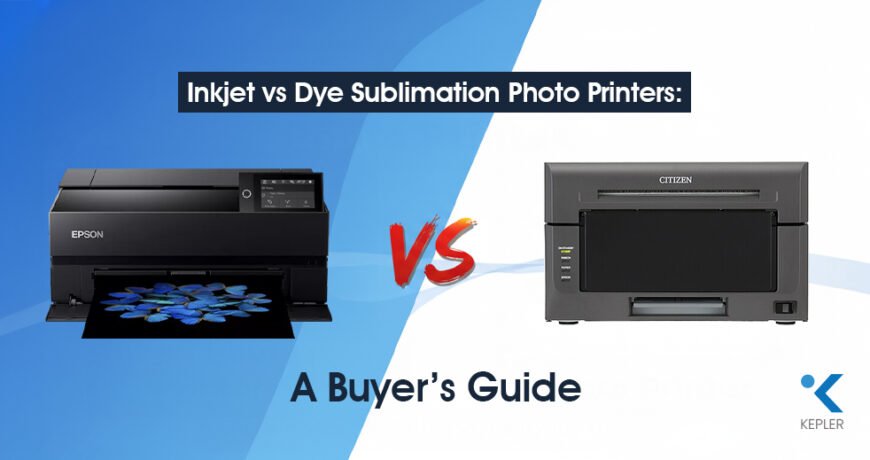
Inkjet vs Dye Sublimation Photo Printers: A Buyer’s Guide Leave a comment
In today’s visually driven world, photographs are more than memories; they’re assets. From professional studios and retail kiosks to home users and events, the demand for high-quality photo printing continues to grow. Choosing the right photo printer plays a crucial role in how your images look, feel, and last over time. With several printing technologies available, buyers often find themselves confused about which option best fits their needs.
This blog is designed to help you compare Inkjet vs Dye Sublimation photo printers in detail covering print quality, costs, paper compatibility, maintenance, and real-world applications. The goal is simple: to help you make a confident, informed buying decision.
When choosing a photo printer, it’s essential to consider the type of printing technology used, as it can significantly impact the quality, durability, and overall cost of your prints.
Understanding Inkjet Photo Printers
Before deciding whether an inkjet printer suits your needs, it’s important to understand how this technology works and what it offers.
How Inkjet Photo Printers Work
Before deciding whether an inkjet printer suits your needs, it’s important to understand how this technology works and what it offers.
How Inkjet Photo Printers Work
Inkjet photo printers (Ink-based) use microscopic droplets of liquid ink sprayed onto photo paper through printhead nozzles. These droplets blend to create detailed images with smooth gradients and accurate colors. Advanced ink systems often use multiple ink colors including light cyan, light magenta, and gray to achieve professional-grade results.
This technology is commonly found in professional photo printers, studio setups, and advanced home printing environments where image quality is a top priority.
Benefits of Inkjet Photo Printers
One of the biggest strengths of inkjet photo printers is exceptional image quality. They are known for producing sharp details, vibrant colors, and realistic skin tones, making them ideal for photographers and designers.
Another advantage is the wide range of paper options. Ink-based printers support various media types such as glossy, matte, fine art paper, canvas, and specialty photo paper. This flexibility allows users to experiment with different finishes and formats.
Inkjet printing is also cost-effective for high-volume printing, especially when using high-capacity ink tanks or professional cartridges. For studios printing large batches, the cost per print can be efficiently managed with the right setup.
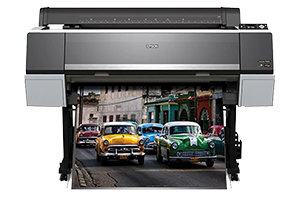
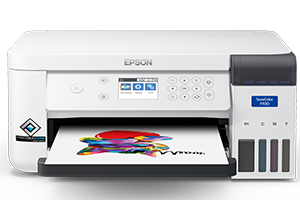
A strong example of this technology is the Epson SureColor SC P900 Photo Printer, which is designed for photographers and creatives who demand precise color accuracy and professional output quality.
Drawbacks of Inkjet Photo Printers
Despite their strengths, inkjet printers come with a few considerations. Photo printer ink costs can accumulate over time, especially if low-capacity cartridges are used or prints are frequent.
There is also the possibility of ink bleeding or fading if the wrong paper type is used or prints are exposed to light and moisture without proper protection. Regular maintenance, such as printhead cleaning, is also necessary to ensure consistent performance.
Understanding Dye Sublimation Photo Printers
Now let’s shift focus to Dye Sublimation (ribbon-based) technology, which is widely used in commercial photo environments.
How Dye Sublimation Photo Printers Work
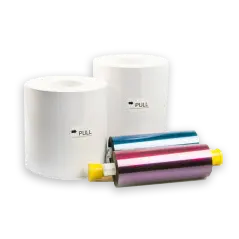
Dye Sublimation (ribbon-based) photo printers use a dye-sublimation process. Instead of liquid ink, they rely on a ribbon film that transfers dye onto photo paper using controlled heat. The image is printed layer by layer, typically cyan, magenta, yellow, and a protective coating resulting in a smooth, continuous-tone finish.
This technology is commonly found in kiosks, event photography setups, and compact printing solutions, including portable photo printer models.
Benefits of Dye Sublimation Photo Printers
One of the biggest advantages of ribbon-based printers is consistent, durable print quality. Each print comes out uniform, with no streaks, banding, or ink smudges.
These prints are also water-resistant, fingerprint-resistant, and fade-resistant, making them ideal for long-term handling and display.
Another major benefit is the predictable cost per print. Each ribbon roll is designed to produce a fixed number of prints, making budgeting easier for businesses.
Additionally, Dye Sublimation printers are considered environmentally friendly in certain use cases, as they produce minimal waste and do not involve liquid ink disposal.
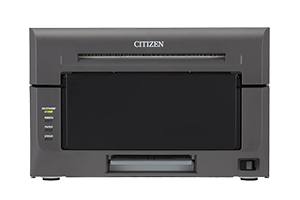
A well-known example is the Citizen CX02 Digital Photo Printer, which is widely used in retail photo kiosks and event-based printing environments.
Drawbacks of Dye Sublimation Photo Printers
Dye Sublimation printers typically offer limited paper options, usually restricted to specific sizes and finishes approved by the manufacturer.
They also come with a higher upfront cost compared to basic ink-based models. However, this initial investment is often balanced by long-term reliability and lower maintenance requirements.
Ink-Based vs Ribbon-Based Photo Printers: Comparison Table
| Comparison Factor | Ink-Based Photo Printers | Ribbon-Based Photo Printers |
| Print Quality | Excels in fine detail, rich color depth, and creative flexibility. Ideal for artistic prints and professional photography where subtle tones and gradients matter. | Produces smooth, uniform images with excellent durability. Resolution may be slightly lower, but consistency across prints is a major advantage. |
| Cost per Print | It can be economical for high-volume users when optimized ink systems are used. Costs may vary depending on usage and ink consumption. | Offers a fixed and predictable cost per print, making it easier to manage expenses in commercial and retail environments. |
| Paper Options | Supports a wide range of paper sizes, finishes, and textures, providing greater creative freedom. | Limited to specific media types and sizes, but ensures reliable compatibility and consistent performance. |
| Maintenance and Upkeep | Requires regular maintenance to prevent ink clogging and maintain print quality over time. | Requires minimal maintenance, making it suitable for fast-paced and high-demand printing environments. |
User Impact of Photo Printers
- Photographers and designers often prefer ink-based printers
- Retail kiosks and event printers benefit more from ribbon-based systems
- Businesses seeking reliability may choose ribbon-based
- Creative professionals lean toward ink-based flexibility
Factors to Consider When Choosing a Photo Printer
Before making a purchase, it’s essential to evaluate your specific requirements.
Print Quality and Resolution
If fine detail and color accuracy are critical, ink-based printers may be the better choice. For consistent everyday prints, Dye Sublimation printers perform exceptionally well.
Cost per Print
Consider long-term costs rather than just upfront pricing. Dye Sublimation systems offer predictable expenses, while ink-based systems can be optimized for volume.
Paper Options and Compatibility
Creative users may need multiple paper types, while businesses may prioritize standardized output.
Size and Portability
Compact Dye Sublimation models work well for events and kiosks, while larger inkjet models suit studio environments.
Additional Features
Features like wireless connectivity, touchscreen controls, and color calibration tools may influence your decision depending on your workflow.
Different users prioritize different factors. A home user may value simplicity, while professionals focus on precision and control.
FAQs Related to Photo Printers
1. Which photo printer technology is better for professional photography?
Inkjet printers are generally preferred for professional photography due to superior color accuracy and media flexibility.
2. Are dye-sublimation photo prints long-lasting?
Yes, dye-sublimation prints are highly durable and resistant to moisture, fading, and fingerprints.
3. Is a dye-sublimation printer suitable for home use?
It can be, especially for users who want simple, mess-free printing without frequent maintenance.
4. Do inkjet printers support larger print sizes?
Yes, ink-based printers support a wider range of print sizes, including large-format photos.
5. Which option is better for event photo printing?
Dye Sublimation (ribbon-based) printers are commonly used for events due to their speed, consistency, and durability.
Conclusion
Inkjet and dye sublimation photo printers each offer unique advantages, making them suitable for different users and environments. Ink-based printers stand out for their creative flexibility, detailed output, and wide media compatibility. Ribbon-based printers shine in reliability, durability, and predictable operating costs.
The best choice depends on your printing volume, quality expectations, budget, and intended use. Taking the time to understand both technologies ensures you invest in a solution that truly meets your needs.
For buyers seeking expert guidance and trusted products, Kepler Tech LLC, one of the best photo printer suppliers in Dubai and across the UAE, offers a wide range of photo printing solutions to support both ink-based and ribbon-based requirements.
Choosing the right photo printer today means better prints, better efficiency, and better value tomorrow.